
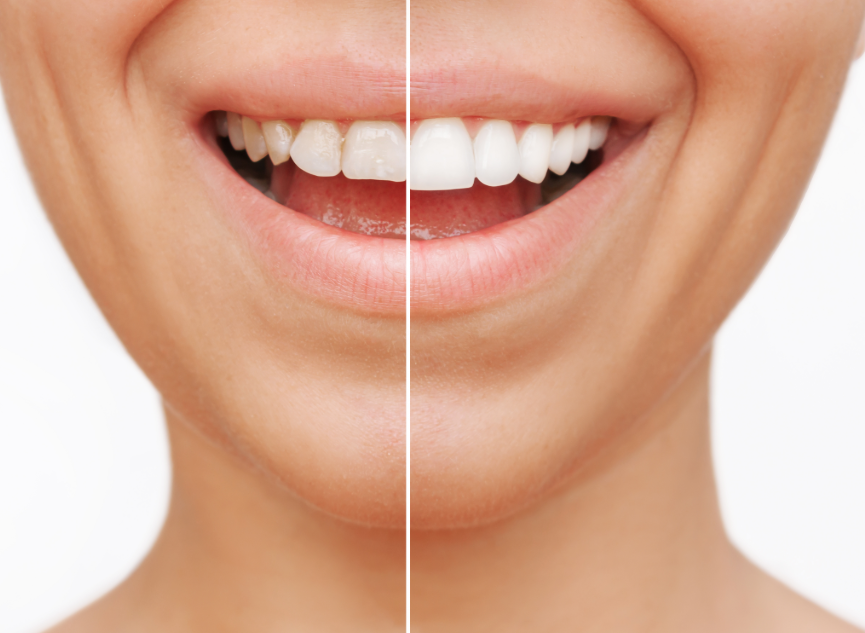
Dental veneers are thin, custom-made shells—typically made of porcelain or composite resin—that are bonded to the front surface of your teeth. They’re designed to improve the appearance of your smile by correcting concerns like discoloration, chips, gaps, or uneven tooth shape.
Because veneers are meant to look natural and fit seamlessly, they require a small amount of preparation on the tooth surface before placement.
Why Is Enamel Removed for Veneers?
Tooth enamel is the hard outer layer of your teeth. While it’s incredibly strong, it also takes up space. Since veneers are placed on top of your teeth, removing a thin layer of enamel helps ensure the final result doesn’t look bulky or unnatural.
This step also helps the veneer bond securely to the tooth. Enamel provides a strong surface for adhesion, which is essential for the long-term durability of the restoration. Without proper preparation, veneers may not fit well or could feel uncomfortable in the mouth.
How Much Enamel Is Typically Removed?
One of the most common concerns patients have is how much of their natural tooth structure is affected. The good news is that only a very small amount of enamel is removed—typically around 0.3 to 0.7 millimeters, depending on the case.
To put that into perspective, that’s roughly the thickness of a fingernail. In many situations, dentists aim to preserve as much natural tooth structure as possible while still achieving the desired cosmetic result.
The exact amount removed can vary based on factors such as tooth position, color correction needs, and the type of veneer being used.
What Does the Veneers Process Look Like?
The process usually begins with a consultation to determine if veneers are the right option for your smile goals. If you move forward, your dentist will gently reshape the front surface of each tooth receiving a veneer. This step is precise and conservative, focusing only on the enamel layer.
After preparation, impressions or digital scans are taken to create custom veneers that match your natural teeth in shape and color. Temporary veneers may be placed while the final restorations are being made.
Once ready, the permanent veneers are bonded to your teeth and adjusted for a comfortable, natural fit.
Are There Options That Don’t Require Enamel Removal?
While traditional veneers require some enamel reduction, there are ultra-thin alternatives in certain cases. For example, Lumineers are a type of veneer that may require little to no enamel removal, depending on the patient’s needs and tooth condition.
However, not everyone is a candidate for no-prep options. In some cases, minimal enamel removal is still necessary to ensure proper fit, alignment, and aesthetics.
Does Enamel Grow Back?
It’s important to know that enamel does not regenerate once it’s removed. This is why veneers are considered a long-term or permanent cosmetic treatment. However, when done properly by a skilled dental professional, the removal is minimal and carefully planned to protect your overall oral health.
Is It Worth It?
For many patients, veneers provide a significant boost in confidence and smile aesthetics. The small amount of enamel removed is generally outweighed by the long-lasting cosmetic benefits and natural-looking results.
A thorough consultation with your dentist can help you understand whether veneers are the right fit for your goals and what your treatment would look like.
About the Practice
Gale Ranch Family Dental proudly serves the San Ramon community with excellent smile care! Our patients receive comprehensive cosmetic and restorative treatments in a welcoming, patient-focused environment. Gale’s dental team utilizes advanced veneer treatments designed to enhance smiles while preserving as much natural tooth structure as possible. With a commitment to precision, comfort, and individualized care, we work closely with patients to create beautiful, natural-looking results that support long-term oral health and confidence.
Call us at (925) 648-8881 or schedule your appointment online.